
Cinex: Asian films for the whole household, from Sunny, The Road Home and Coming Home to Project A Part II, The Teacher's Diary and Check the Store Next Door, and where to watch them
187 films from Korea, China, Hong Kong, Taiwan, Thailand, Indonesia and the Philippines, 1985 to 2026.
Browse all 187 filmsSuggestions
China
View all »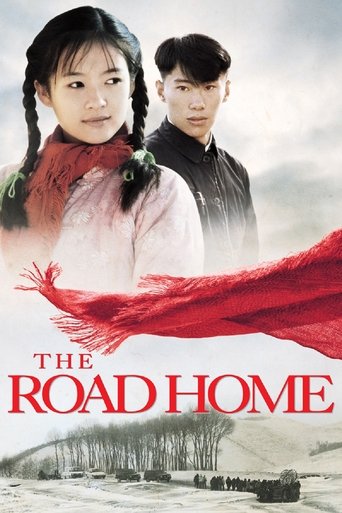


Hong Kong
View all »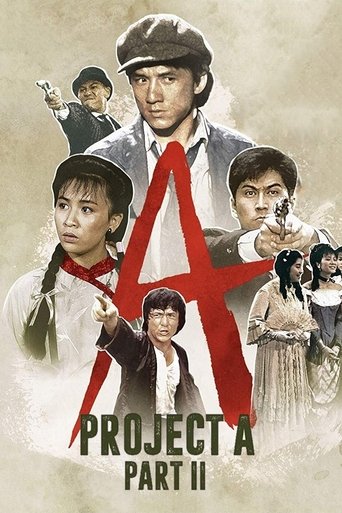
Thailand
View all »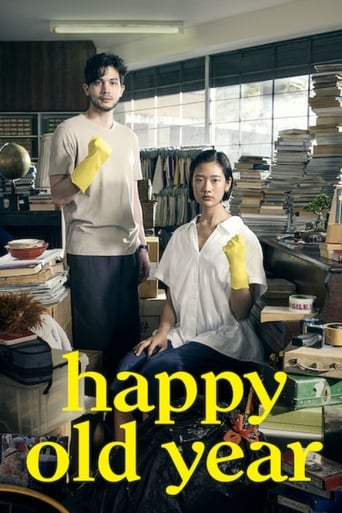


Indonesia, Malaysia and the Philippines
View all »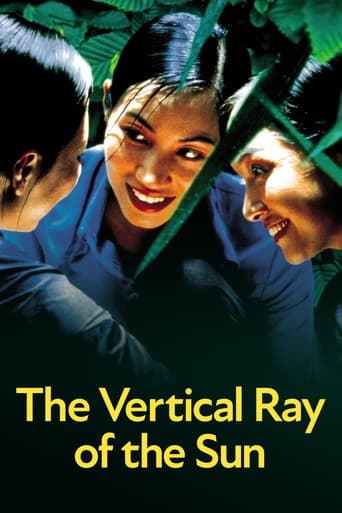

Taiwan
View all »

Latest films
View all »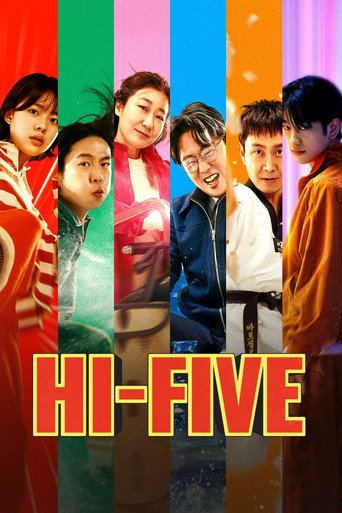

Genres and lists
KoreaMainland ChinaHong KongTaiwanThailandIndonesia and neighboursComedyRomanceDramaFamilySchool and youthSportMusic and performanceHistoryAction and adventureFantasyTrue storiesBefore 2000The 2000sThe 2010s2020 onwardsTop rated
The Cinex guide to Asian films
Cinex: Asian films for the whole household, from Sunny, The Road Home and Coming Home to Project A Part II, The Teacher's Diary and Check the Store Next Door
More films are made in Asia than anywhere else on earth, and more people watch them. Viewers in the West tend to know two corners of that vast output, the action spectaculars and the prize-winners of the festival circuit. Between those corners lies the cinema that Asian audiences themselves queue for: the Korean comedy about seven school friends reunited after twenty-five years, the Chinese love story set on a country road, the Thai romance aboard a floating school, the Indonesian family arguing over who will inherit the corner shop, the Hong Kong kung fu farce in which every punch is also a joke. Cinex is a guide to 187 Asian films of that kind, made between 1985 and 2026 in Korea, China, Hong Kong, Taiwan, Thailand, Indonesia, the Philippines, Malaysia and Vietnam. Each has its own page, its story, its director and cast, and a Watch now button that leads to the official services carrying it in your country.
The catalogue has been chosen for the whole household. Every summary was read by hand, and the selection keeps to comedy, romance, family stories, school life, sport, music, history and gentle fantasy. Gangster films, horror, films of the battlefield, erotic dramas and the harsher kind of thriller were left out. What remains includes a village teacher and the girl who waits for him by the roadside, a husband who reads his own letters aloud to a wife who has forgotten his face, a king who invents an alphabet, a team from two countries that plays as one, a grandmother who wakes up twenty again, and a policeman of old Hong Kong who fights with a chair, a ladder and a mouthful of chillies.
The guide below travels country by country. It begins with three films for a first evening, then visits Korea, mainland China, Hong Kong, Taiwan, Thailand, Indonesia and its neighbours, and goes on to themes: comedy, romance, family, school, sport and true stories. The last sections explain languages and subtitles, search, the lists and My List. Every film title is a link, and the text is in English for viewers anywhere.
What Cinex offers
Cinex is a viewing guide. It stores neither films nor downloads; it tells you what each film is about, who made it and who appears in it, and then hands you to the legal services that carry it. The how to watch page sets out the three steps: find a film, read its page, choose your country and press Watch now. The button opens JustWatch, an independent directory of streaming, rental and purchase services, on the entry for that film, so the answer is always current for the place where you live.
The 187 films divide by country as follows: fifty-three from Korea, forty-two from mainland China, thirty-three from Thailand, twenty-two from Hong Kong, twenty from Indonesia, nine from Taiwan, six from the Philippines, two from Malaysia and one from Vietnam. Eighty-nine are comedies and sixty-eight are romances. Twenty-eight were made before 2000, thirty-three in the first decade of this century, seventy-nine in the 2010s and forty-seven since 2020. Twenty-two lists arrange the catalogue by country, kind, theme and decade, and the top rated list gathers the sixty-nine titles that viewers have scored most highly.
The home page is deliberately plain. A large wordmark and a single green button lead to the full catalogue, and the search field sits in the white bar at the top of every page. Rows of posters follow for Korea, China, Hong Kong, Thailand, Indonesia and its neighbours, Taiwan and the latest films, each with a View all link. Each poster carries its title in white across the foot and its rating on a small yellow tag in the corner. A panel of buttons at the end opens every list.
A first evening
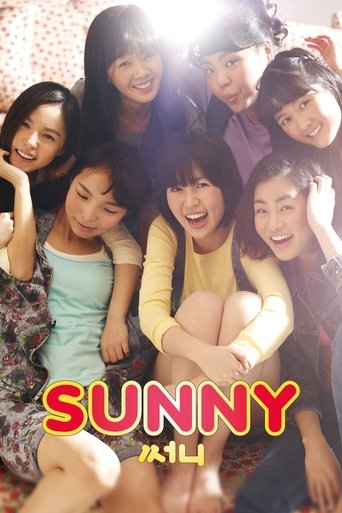
Three films make good introductions. Sunny, directed by Kang Hyoung-chul in 2011, is one of the best-loved Korean films of its century. Na-mi is a comfortable housewife in Seoul with a busy husband and a teenage daughter who barely speaks to her. Visiting her mother in hospital, she recognises a name on a door: Chun-hwa, the fearless leader of the gang of seven girls she belonged to at school in the eighties. Chun-hwa is gravely ill and has one request, to see the group together again. The film cuts between Na-mi's search for the others and their schooldays, when a country girl with a strong accent was taken under the wing of the coolest girls in class, and it is full of the pop songs, the fashions and the street scenes of the time. It is funny, noisy and very moving, and it suits teenagers and adults.
The Road Home, made by Zhang Yimou in 1999, is as simple as a folk song. A businessman returns to his village in northern China for his father's funeral. His mother insists that the coffin be carried home on foot along the old road, and he remembers the story everyone in the village knows: how his father arrived as the new schoolteacher at twenty, how the prettiest girl in the village, eighteen and unable to read, cooked for the men building the school in the hope that he would taste her dish, and how she waited for him by that road in the snow. The present is filmed in black and white and the past in glowing colour. It was the first leading role of Zhang Ziyi, and it won the Silver Bear at Berlin. All ages can watch it.
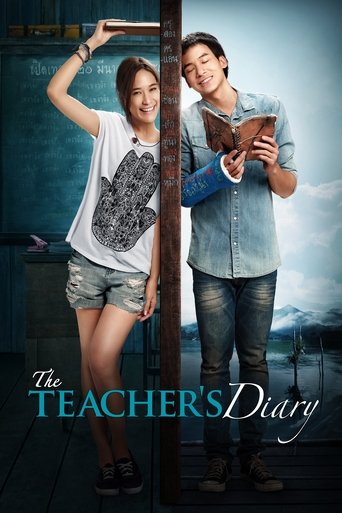
The Teacher's Diary, from Thailand in 2014, has one of the prettiest settings in modern cinema: a one-room school on a raft, moored on a reservoir far from any road, with a handful of fishermen's children for pupils. Song, a former wrestler with more enthusiasm than training, is posted there and finds a diary left by the teacher before him, a young woman named Ann. Her notes teach him how to teach, and he falls in love with her handwriting. A year later she returns and finds his additions. The two have yet to meet. The film was Thailand's submission for the Academy Awards, and families enjoy it together.
Korea
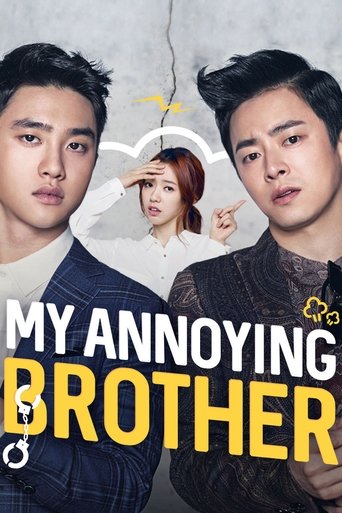
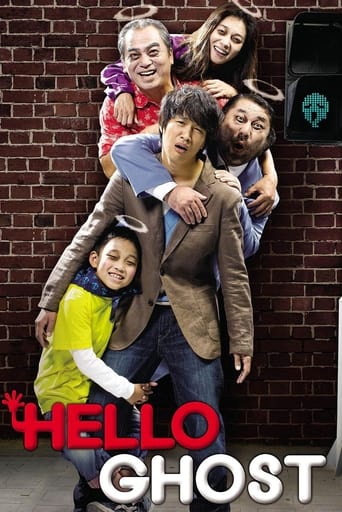
Fifty-three films are Korean, and the Korea guide arranges them. Korean popular cinema excels at the comedy that turns to tears and back again within a scene, and the catalogue is rich in examples. My Annoying Brother pairs a smooth-talking rogue with the younger half-brother he has ignored for fifteen years, a national judo champion who has lost his sight in a match; the elder moves in as his carer for reasons of his own and ends by coaching him toward the Paralympic Games. Hello Ghost gives a lonely young man four ghosts who refuse to leave until he has granted each a wish, and saves a revelation for its last ten minutes that sends audiences out in floods. A Little Princess has the veteran actress Na Moon-hee as a grandmother in Busan who sells embroidered handkerchiefs on the street and one day acquires two granddaughters, aged twelve and one.
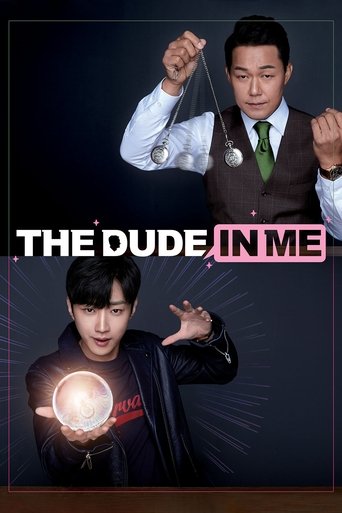
The family comedies are plentiful. Boomerang Family returns three grown children, a failed film director, a small-time tough and a twice-divorced daughter, to their mother's small flat, where she feeds them meat at every meal and asks few questions. My Little Brother gives three squabbling siblings a fourth who is news to all of them. The Dude in Me is a body-swap comedy in which a bullied schoolboy and a formidable businessman change places after an accident, to the benefit of both. Wonderful Nightmare sends a hard-headed lawyer, through a clerical slip in the hereafter, to live for a month as a housewife with two children. Dog Days weaves several stories round a veterinary clinic, with Youn Yuh-jung as a celebrated architect whose dog goes missing, and Like for Likes follows three couples who meet through social media.
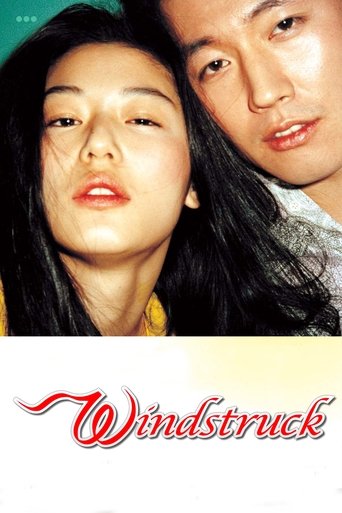
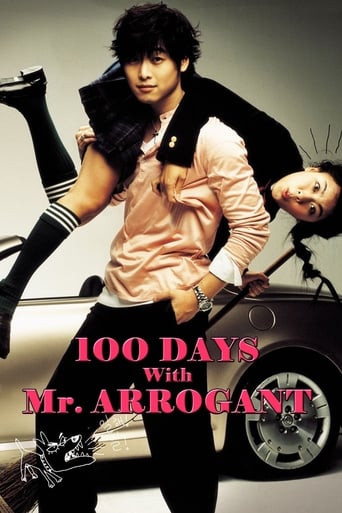
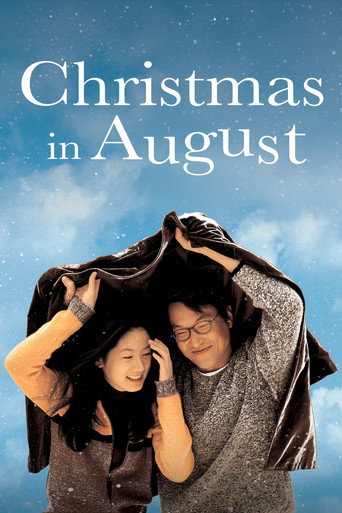
Korea's romances are represented first by a classic. Christmas in August, directed by Hur Jin-ho in 1998, is the story of Jung-won, who runs a small photography studio and knows that his time is short, and Da-rim, a young traffic warden who brings in her films to be developed. He says very little about himself; they share an ice cream, a ride on his scooter, an umbrella. It is among the gentlest films ever made about parting, and it changed Korean cinema. Late Blossom finds love among the over-seventies in a hillside neighbourhood, between a gruff milkman and a woman who collects scrap paper. Windstruck and 100 Days with Mr. Arrogant are bright comedies from the years when Korean romance first swept Asia, and Will You Be There gives a surgeon ten chances to visit his own past.
History is told with great care. The King's Letters recounts how King Sejong, in the fifteenth century, set out to give his people an alphabet simple enough for a farmer to learn in a morning, and worked in secret with a group of monks to design it; Song Kang-ho plays the king. Forbidden Dream concerns the same monarch and Jang Yeong-sil, the commoner whose water clocks and star charts he championed. The Map Against the World follows the cartographer who walked the length of the peninsula to draw it, and The Sound of a Flower the first woman to sing pansori, the epic chant reserved for men. Dongju: The Portrait of a Poet, filmed in black and white, is a sober and beautiful life of the poet Yun Dong-ju, who wrote in Korean when it was forbidden and paid for it; it is best for older viewers. I Can Speak begins as a comedy about an elderly woman who pesters a young civil servant for English lessons and becomes something larger when her reason for learning is revealed.
Korea: music, small films and new releases
Music runs through several Korean films. Radio Star stars Park Joong-hoon as a rock singer whose one hit was twenty years ago and Ahn Sung-ki as the manager who has stayed with him through everything; exiled to a tiny radio station in a mountain town, the singer discovers that the listeners who ring in are better company than fame. C'est Si Bon recreates the folk music cafés of Seoul in the late sixties, My Paparotti is based on the true story of a teenage tearaway with a remarkable tenor voice and the weary music teacher who takes him on, and Sunset in My Hometown sends a struggling rapper back to the seaside town he has spent years pretending to have forgotten. My Punch-Drunk Boxer invents a sport of its own, boxing to the rhythm of a traditional drum.
Smaller films reward the curious. Lucky Chan-sil is a delightful comedy about a film producer of forty who loses her job when her director dies, moves to a rented room on a hill, and is visited by a ghost who claims to be a famous Hong Kong actor; Youn Yuh-jung plays her landlady. The Table observes four conversations at one café table in a single day. My Mother the Mermaid lets a young woman who is embarrassed by her loud, hard-bitten mother travel back to the island where her parents met, and see the girl her mother was, a diver who could neither read nor write and fell for the postman; Jeon Do-yeon plays both mother and daughter. Our Twisted Hero, from a famous novel, is a fable about a village classroom ruled by its class monitor, and When I Turned Nine is a tender story of a boy's first crush.
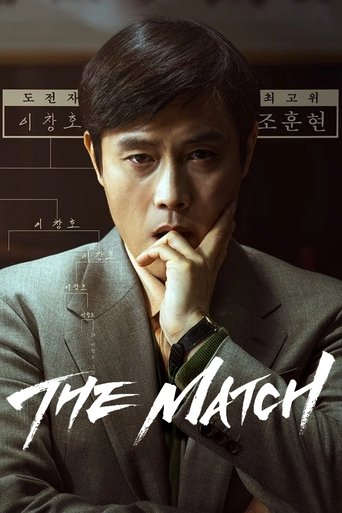
Recent Korean releases include The Match, on the rivalry between the greatest Go player of his day and the pupil who lived in his house and then defeated him; Victory, a joyful comedy set in 1999 about a group of schoolgirls on an island who form a cheerleading squad so that two of them can have a room to dance in; It's Okay!, about an orphaned dance student living secretly in her academy; Hi-Five, an adventure about five strangers who acquire powers after receiving transplants from the same donor; and More Than Family, in which a student who is expecting a baby goes in search of her own father. Birthday is a quiet and deeply felt drama about a family learning to mark the birthday of a son they have lost; it is intended for adults.
Mainland China
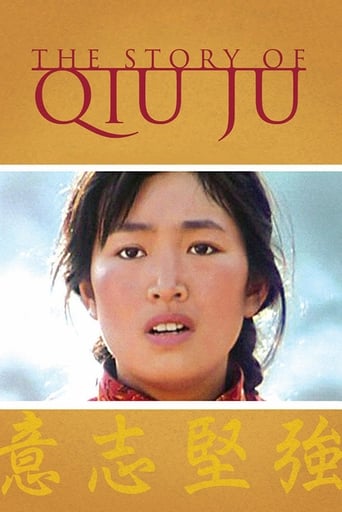
Forty-two films come from mainland China, and the China guide introduces them. Five are by Zhang Yimou, the country's best-known director, and they show his gentle side. After The Road Home comes The Story of Qiu Ju, which won the Golden Lion at Venice in 1992. Qiu Ju is a farmer's wife, heavily pregnant, whose husband has been kicked by the village head in a quarrel. She wants an apology, the head offers money, and she takes her complaint to the district, then the county, then the city, travelling by cart and bus with a sack of chillies to sell for her fare. Gong Li, the most glamorous actress in China, is unrecognisable in a padded jacket, and much of the film was shot with hidden cameras among real crowds. It is a comedy of stubbornness with a perfect final image.
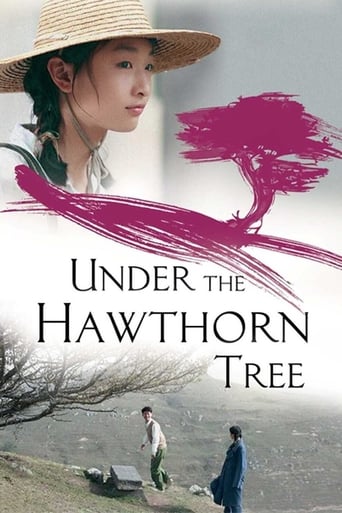
Coming Home, from 2014, reunites the director with Gong Li. Lu, a professor, comes back after many years away to find that his wife Feng, who has waited for him faithfully, has lost the ability to recognise him. She goes to the station on the fifth of each month to meet the train; he stands beside her holding a sign. He tries a photograph, a piano tune, and at last a trunk of the letters he wrote to her, which he offers to read aloud as a kindly neighbour. Under the Hawthorn Tree is a chaste love story of the seventies between a schoolgirl and a geology student, and One Second follows a man who walks across a desert to see a newsreel in which his daughter appears for a single second, and the orphan girl who needs the film reel for a purpose of her own. In Riding Alone for Thousands of Miles, the great Japanese actor Ken Takakura plays a fisherman who travels to the mountains of Yunnan to film a folk opera for his estranged son.
The generation that emerged in the eighties is represented by several landmarks. King of the Children, by Chen Kaige, concerns a young man sent to the countryside who is asked to teach in a village school that has one textbook, and who teaches the children to write about what they see. Hibiscus Town, by the veteran Xie Jin, follows a woman who sells bean curd in a market town through twenty years of political campaigns; it is long, humane and beloved in China. The Blue Kite sees the Beijing of the fifties and sixties through the eyes of a boy and his mother, and The King of Masks is the tale of an old street performer in Sichuan, master of the art of changing faces in the blink of an eye, who buys a child to be his heir and learns that the child has a secret. That film is suitable for older children and is a favourite with families.
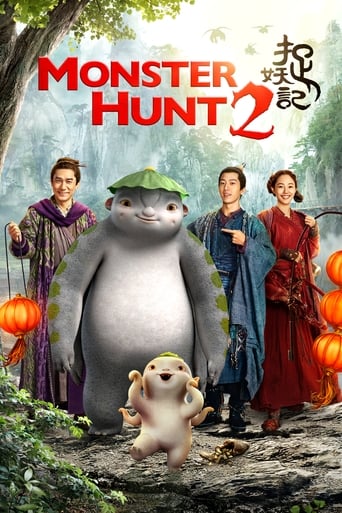
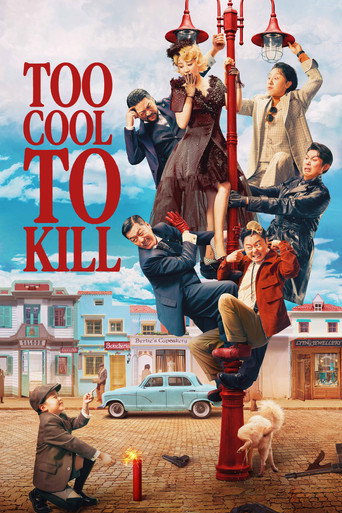
Modern China has its own comedies. The Troubleshooters, from 1988, was the first film from the stories of Wang Shuo, about three young men in Beijing who set up a company that will do anything on a client's behalf: keep an appointment, receive a scolding, hold an awards ceremony for an unknown writer. Keep Cool is a fast, handheld farce about a bookseller, a broken laptop and a man who wants compensation. The Winners turns a bank's safety drill into a contest of vanity, Too Cool to Kill casts a hopeless bit-part actor in what he believes is a film and is in fact real life, and Dead Pigs, by Cathy Yan, crosses the paths of a pig farmer, his sister who refuses to sell her house, and an architect from America. Monster Hunt 2 and Panda Plan: The Magical Tribe, with Jackie Chan, are family adventures, and Jade Dynasty and The Traveller are fantasy tales for teenagers.
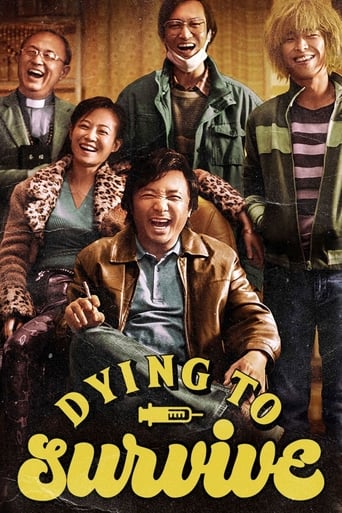
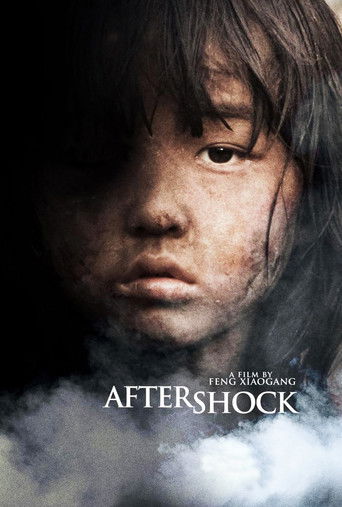
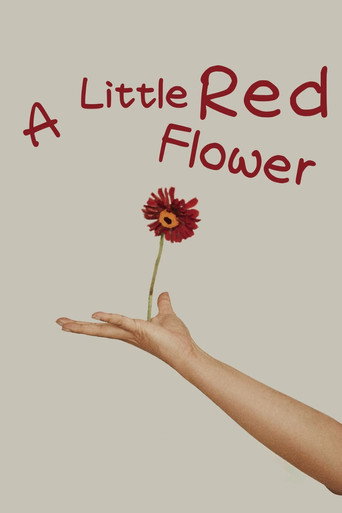
The dramas of recent years are led by Dying to Survive, a huge success of 2018 based on real events. Cheng Yong sells health tonics from a failing shop in Shanghai. A customer with a serious illness asks him to bring back an affordable medicine from India, and what begins as a business becomes a cause. Xu Zheng is superb, and the film mixes comedy and feeling in a way all its own. Aftershock, by Feng Xiaogang, begins with the Tangshan earthquake of 1976 and follows a mother and her twin children across thirty-two years. Lost and Love sends Andy Lau across China on a motorbike in search of a son, Go Away Mr. Tumor is the true story of a cartoonist who met illness with jokes, A Little Red Flower is a romance between two young patients, and Gone with the Boat and Mumu, about a deaf father and his hearing daughter, are family stories from the last two years. These dramas are honest about hardship and are best for teenagers and adults.
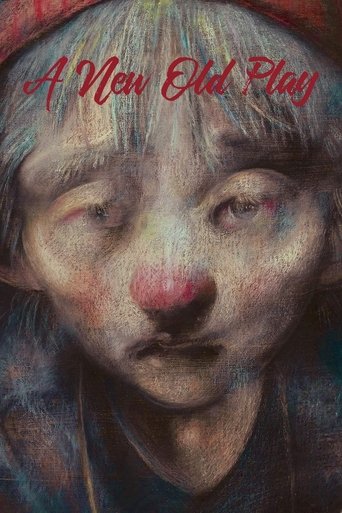
The quieter Chinese films include Springtime in a Small Town, a remake of a classic about a wife, an ailing husband and a visitor; Letter from an Unknown Woman, directed by and starring Xu Jinglei, from the story by Stefan Zweig; Balzac and the Little Chinese Seamstress, in which two city boys read forbidden novels to a mountain girl; Electric Shadows, a love letter to open-air cinema; We'll Meet in Heaven, about a girl and the grandfather who brings her up; Apart Together, about a reunion in Shanghai after fifty years; and A New Old Play, a three-hour chronicle of a Sichuan opera clown.
Hong Kong
Twenty-two films come from Hong Kong, and the Hong Kong guide sorts them. In the eighties and nineties the city's studios made films at a furious pace, and their speciality was the comedy of movement: fights choreographed like dances, in which the laugh and the gasp arrive together. Project A - Part II, directed by and starring Jackie Chan in 1987, is a fine example. Sergeant Dragon Ma, the hero of the coastguard, is put in charge of a corrupt police district in the colony of the early 1900s. In the course of cleaning it up he is handcuffed to his crooked superior, chased across rooftops by axe-wielding pirates, and caught in a flat where four different parties are hiding from one another behind doors and under beds. The climax, on a bamboo scaffold as tall as a building, was performed by Chan himself, and the outtakes over the closing titles prove it. The fighting is acrobatic and bloodless, and children of ten and over love it.
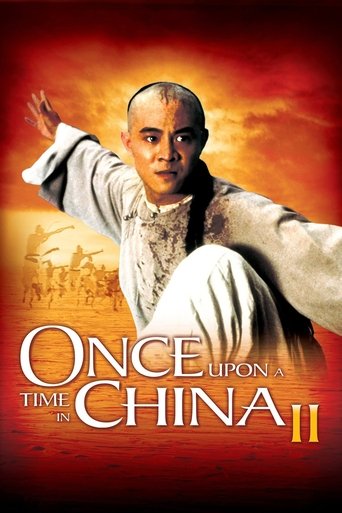
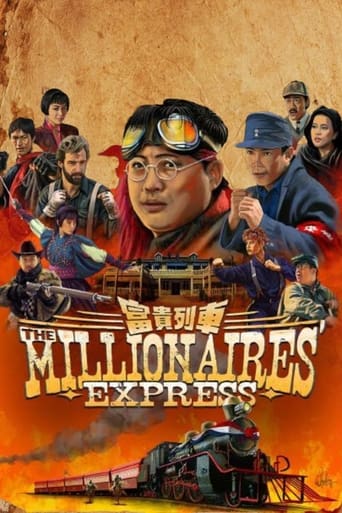
Once Upon a Time in China II, directed by Tsui Hark, stars Jet Li as the folk hero Wong Fei-hung, a doctor and master of martial arts who arrives in Canton in 1895 for a medical conference and defends a school of foreign languages against a sect that wishes to drive out everything Western. It is grander and more serious than Chan's films and has some of the most graceful fight scenes ever staged. Millionaires' Express, by Sammo Hung, is a Chinese western with a cast of dozens, a luxury train and a town that wants it to stop. Tai Chi Boxer introduced the young Wu Jing. These films contain a great deal of staged combat; parents may wish to watch first.
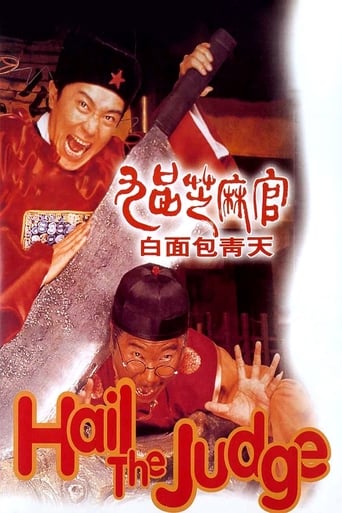
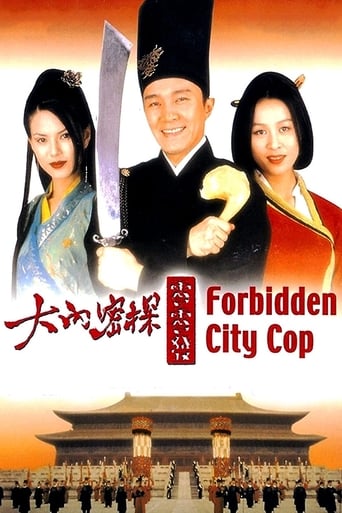
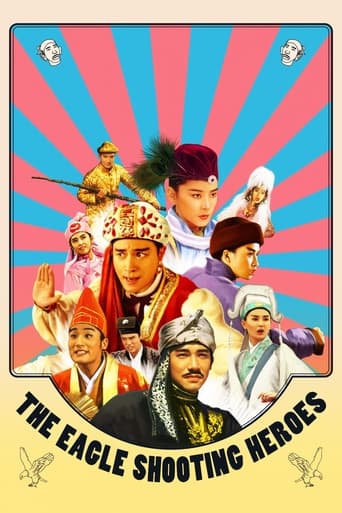
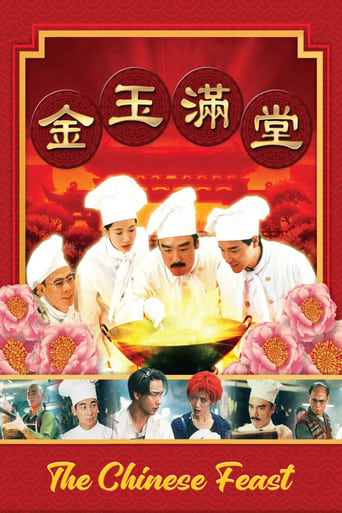
Pure comedy is the province of Stephen Chow and of Michael Hui. In Forbidden City Cop, Chow plays a member of the emperor's bodyguard who has neglected kung fu for his true passions, inventing gadgets and practising medicine, and is despised by his colleagues until a crisis calls for exactly his talents. Hail the Judge casts him as a bungling magistrate who must learn the art of argument to right a wrong. Hui, the great comedian of the seventies, stars in Mr. Coconut as a cheerful cousin from Hainan island who descends on his relatives in the city, and in The Magic Touch as a fortune-teller pursued by the tax office. The Eagle Shooting Heroes gathers nearly every star of 1993, among them Leslie Cheung, Brigitte Lin, Tony Leung and Maggie Cheung, for a deliriously silly send-up of sword-fighting epics. The Chinese Feast, also by Tsui Hark, is a cooking contest staged like a martial arts duel, with Leslie Cheung and Anita Yuen, and it will leave you hungry. It's a Mad, Mad, Mad World III and The Legendary La Rose Noire round out the comedies, the second a loving parody of the Cantonese adventure films of the sixties.
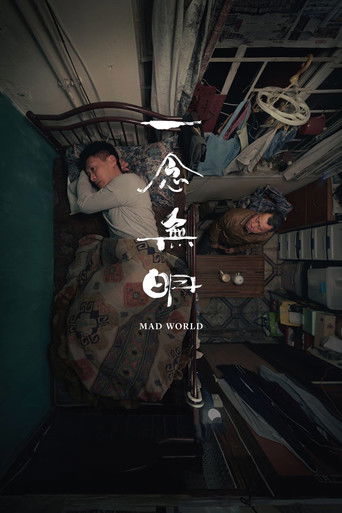
Hong Kong's quieter cinema is just as fine. The Way We Are, by Ann Hui, observes a widow who works in a supermarket, her teenage son and the elderly neighbour she befriends on a vast housing estate. Very little that is dramatic occurs: they shop, cook, mend a light bulb, share mooncakes at the festival. It swept the city's film awards and is one of the warmest films in this guide. Lost in Time follows a young woman who takes over her late fiancé's minibus and his small son, with the help of a fellow driver. 29+1, from a long-running stage show, sets two women born on the same day, one driven and one easy-going, side by side in the month before their thirtieth birthdays. Mad World is a thoughtful drama about a father and his grown son sharing a single tiny room, and Beyond the Dream a delicate love story about recovery. The Golden Era, Ann Hui's three-hour life of the writer Xiao Hong, and The Soong Sisters, about three sisters who married three of the most powerful men in China, are historical portraits, and Septet: The Story of Hong Kong gathers short films by seven of the city's master directors.
Taiwan
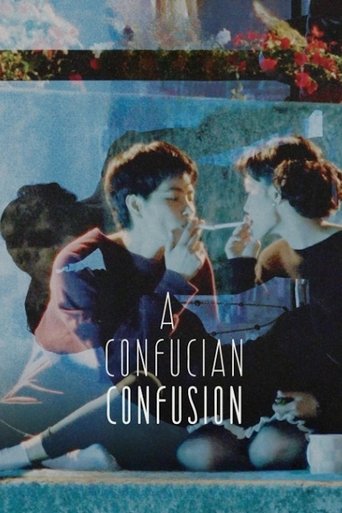
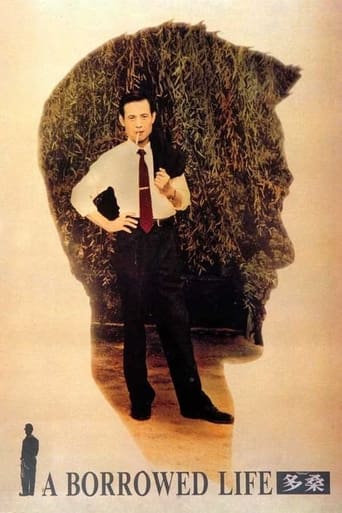
Nine films are from Taiwan, and the Taiwan guide lists them. The island's New Cinema of the eighties and nineties produced some of the most humane films in the Chinese language. Kuei-mei, a Woman, from 1985, follows its heroine across thirty years, from her arrival as a refugee and her marriage to a widower with three children, through spells of work abroad and the opening of a restaurant; Loretta Yang gives a performance of great strength. A Borrowed Life, directed by the writer Wu Nien-jen, is a son's portrait of his father, a miner raised under Japanese rule who felt a stranger in the Taiwan that followed. A Confucian Confusion, by Edward Yang, is a talkative comedy of young professionals in the Taipei of the boom years.
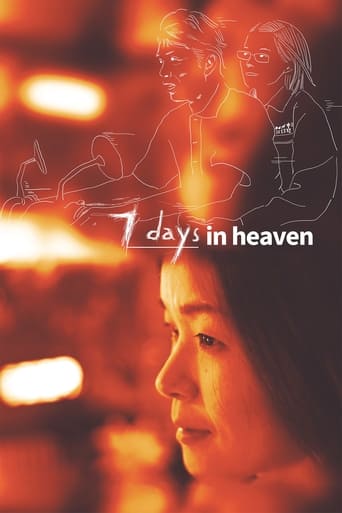
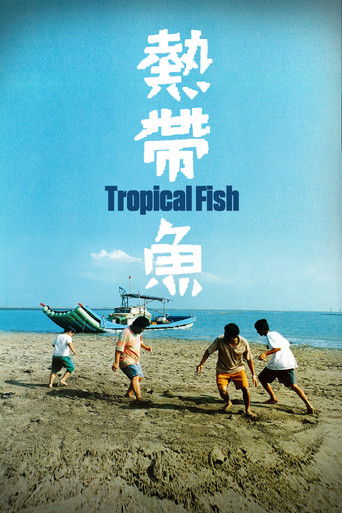
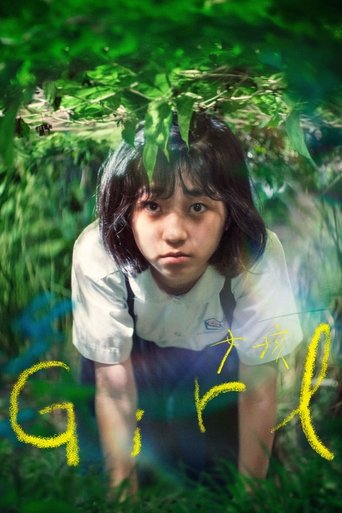
Tropical Fish, from 1995, is the one to start with: a dreamy schoolboy who should be revising for his exams is carried off, more or less by accident, to a fishing village by a family of amateurs who have little idea what to do with him and end by helping with his homework. 7 Days in Heaven is a comedy about a funeral, in which a daughter returns from the city to a week of rituals led by a Taoist priest who is also a poet. Little Big Women gathers three daughters and their mother, a restaurant owner in Tainan, on the day of her seventieth birthday. The Fourth Portrait is about a ten-year-old who draws what he sees, and Girl, from 2025, is the first film directed by the actress Shu Qi.
Thailand
Thirty-three films are Thai, and the Thailand guide introduces them. Modern Thai popular cinema began, by common consent, with My Girl in 2003. Jeab, driving home for a wedding, remembers the small town of his childhood in the eighties: the two barbershops owned by his father and by the father of his best friend Noi-Naa, the girls' games he was teased for playing with her, and the gang of boys on bicycles he longed to join. Six young directors made it together, and several went on to found the studio whose comedies fill this list. It is a perfect family film.
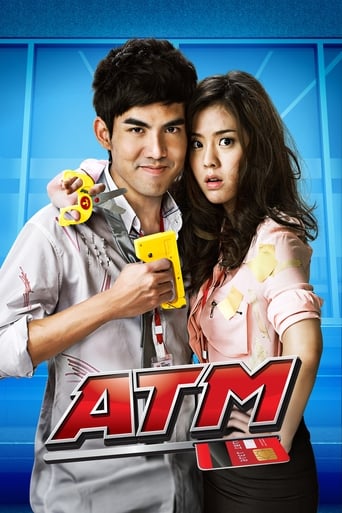
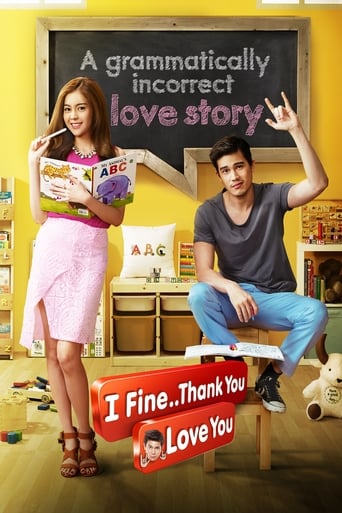
That studio's romantic comedies are polished and good-hearted. Bangkok Traffic (Love) Story follows Mei Li, thirty and single, who meets an engineer on the night shift of the city's elevated railway and rearranges her life to bump into him. In Hello Stranger two Thai tourists in Korea, one abandoned by his tour group and one hiding from hers, agree to travel together on condition that they keep their names to themselves. ATM sets a couple who work for the same bank against each other when a cash machine pays out double. I Fine..Thank You Love You gives an English tutor an unpromising pupil, a factory engineer who wants to follow his former girlfriend to America. Suddenly Twenty is the Thai telling of the story of the grandmother who becomes young again, Back to the 90s sends a teenager to meet his parents in the age of pagers, and OMG! Oh My Girl, Low Season, Mr. Hurt and App War continue the tradition.
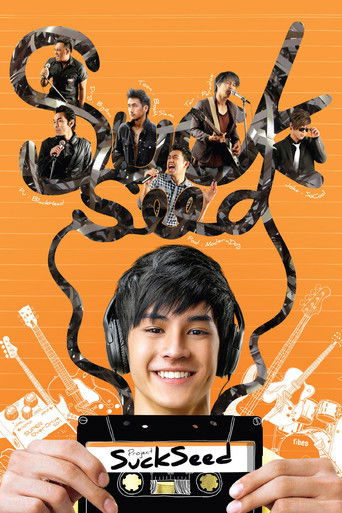
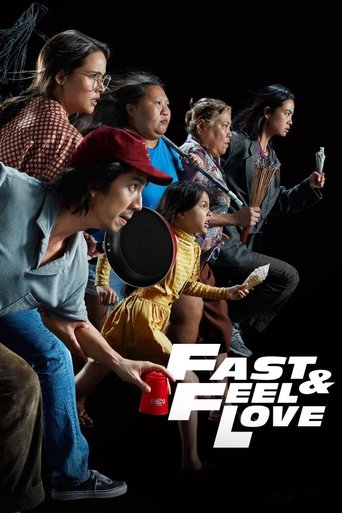
School and student life has its own shelf. Seasons Change takes place over a year at a music college, where a boy has enrolled in secret to be near a violinist. Suck Seed is the story of a school rock band whose enthusiasm exceeds its talent, with songs by real Thai groups. May Who? mixes live action and drawings to tell of a girl who gives off sparks when her heart beats fast. Mary Is Happy, Mary Is Happy, by Nawapol Thamrongrattanarit, was built from several hundred real messages posted by a schoolgirl, in order, and is odd and charming. The same director made Happy Old Year, in which a designer clearing out her family home must decide what to return to its owners, and Fast & Feel Love, a comedy about a champion of cup stacking who has yet to learn how to run a washing machine. Where We Belong is a thoughtful film about two friends in a small town in the months before one leaves to study abroad.
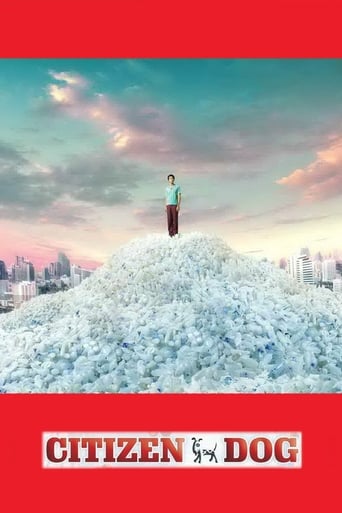
Older Thai films of distinction include The Overture, inspired by the life of a master of the ranat, the Thai xylophone, and built round a musical duel as tense as any sword fight; The Tin Mine, from the memoirs of a writer who was expelled from university in 1949 and spent four years labouring in a mine in the southern jungle, an experience he came to treasure; Citizen Dog, a brightly coloured fable about a country boy in Bangkok and a girl who carries a book she is unable to read; and Transistor Love Story, a bittersweet musical comedy about a village singer. Once Upon a Star pays tribute to the travelling troupes who once toured the provinces showing films and speaking all the voices live, One for the Road is a road film about two friends revisiting the past, and Gohan, from 2026, follows a stray dog through a decade of owners. Mid Road Gang is a family adventure about a pack of dogs trying to cross a motorway.
Indonesia, the Philippines, Malaysia and Vietnam
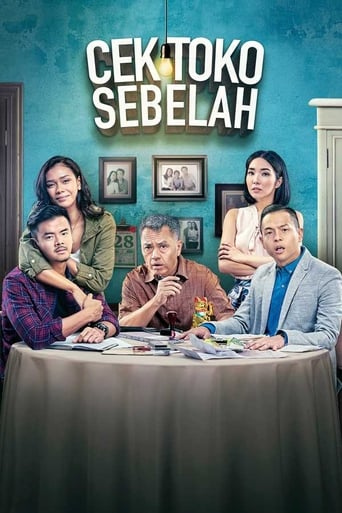
Twenty-nine films come from the rest of South-East Asia, and the South-East Asia guide covers them. Indonesia supplies twenty. The comedian and director Ernest Prakasa has made a string of family comedies that are both very funny and quietly serious about what it means to belong. In Check the Store Next Door, a father who has kept a small grocery all his life decides to leave it to his younger son, an ambitious office worker with a promotion in sight, and the elder son, who has always helped in the shop, takes it badly. Check the Store Next Door 2 moves on to weddings and in-laws. Susah Sinyal sends a busy lawyer and her teenage daughter to an island where the telephone finds a signal only at the top of one hill, Milly & Mamet follows a young couple into parenthood and a restaurant, and Imperfect is a warm comedy about a researcher at a cosmetics firm who is tired of comments on her appearance.
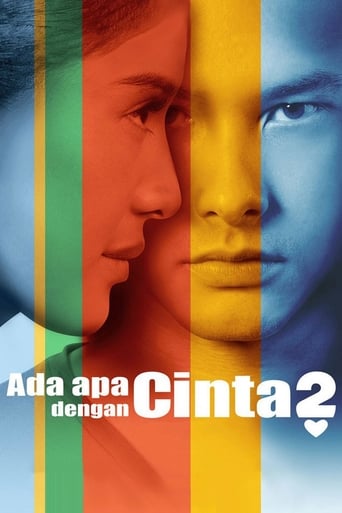
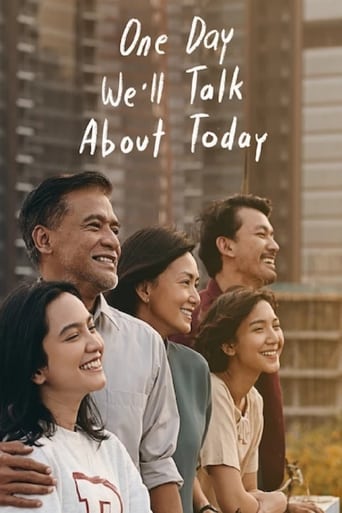
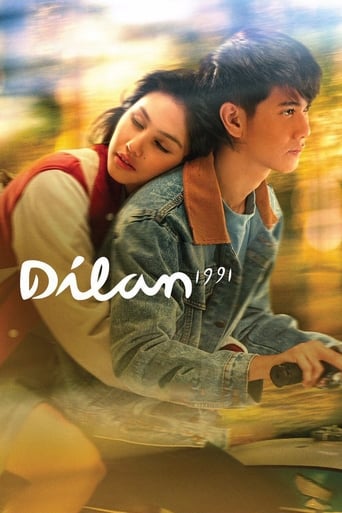
A Brother and 7 Siblings, from 2025, was among the most praised Indonesian films of recent years. Moko, a newly qualified architect, becomes overnight the guardian of his late sister's children, and his plans for study abroad must wait; the film is about the sacrifices of the middle generation, and it is told with humour. One Day We'll Talk About Today and its prequel Today We'll Talk About That Day tell the story of a family and the thing its parents chose to keep from the children. Kartini: Princess of Java is a handsome life of the noblewoman who, in the 1890s, argued in her letters for the schooling of girls. What's Up with Cinta 2 reunites, fourteen years on, the couple of the film that defined a generation of Indonesian teenagers, and Dilan 1991 is a school romance set in Bandung. Aruna & Her Palate is a treat for anyone who likes to eat: four friends travel the islands on official business and stop at every food stall. My Stupid Boss, Newly Rich, Sweet 20 and Too Handsome to Handle are broad comedies, and Legend of Gatotkaca is a superhero adventure drawn from the shadow puppet plays.
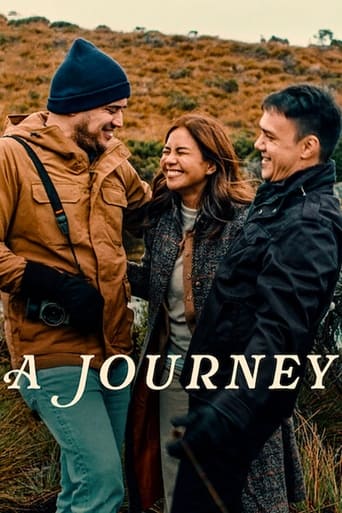
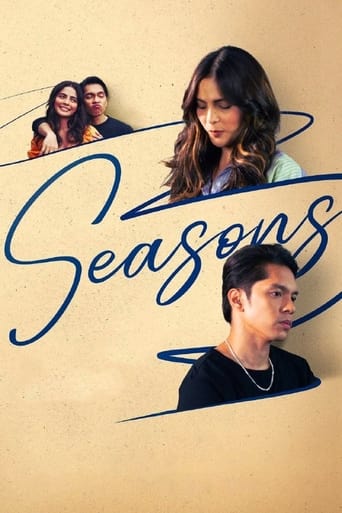
From the Philippines come six films. Magnifico, from 2003, is the story of a nine-year-old boy in a poor provincial family who quietly sets about solving the household's troubles one by one, finding a wheelchair for his sister and comfort for his grandmother. It won awards at home and abroad and is as kind a film as exists, though it will bring tears. A Second Chance follows a much-loved screen couple into the seventh year of their marriage, when the building firm they run together is failing. Keys to the Heart brings a boxer home to a mother he hardly knows and a younger brother who is a gifted pianist. Seasons, You with Me and A Journey, about three friends on a road trip round Tasmania, complete the list.
Malaysia's two films are both outstanding. Mukhsin, by the much-missed Yasmin Ahmad, is set in a village during the school holidays, where ten-year-old Orked, who prefers football to dolls, makes friends with a boy of twelve. It is a film of small gestures, bicycle rides and kites, and it is suitable for everyone. Ola Bola is inspired by the national football team of 1980, whose players of Malay, Chinese and Indian background had to become one side to qualify for the Olympic Games. From Vietnam comes The Vertical Ray of the Sun, by Tran Anh Hung, a languid, rain-washed portrait of three sisters in Hanoi over one summer month.
Comedy
Eighty-nine films are comedies, and the comedy guide groups them. One story appears three times, which makes for an interesting comparison: an elderly woman, feeling she has become a burden, has her portrait taken at a mysterious studio and walks out aged twenty. The Korean original was filmed across Asia, and Cinex has the Thai version, Suddenly Twenty, and the Indonesian one, Sweet 20; each fills the story with its own country's songs and food. The comedy of the workplace is equally international: My Stupid Boss has an Indonesian secretary and a Malaysian factory owner of heroic thoughtlessness, ATM and App War are Thai, and The Winners is Chinese. From Korea, My Teacher, Mr. Kim is a favourite: a teacher from Seoul who has been sent to a five-pupil school in the mountains schemes to get it closed so that he can go home, and is foiled by his own pupils' affection.
Romance
Sixty-eight films are love stories, and the romance guide arranges them by age. First love is the great Asian subject, treated with a restraint that Western films have largely forgotten: the glance across a schoolyard in Under the Hawthorn Tree, the bowl of dumplings in The Road Home, the shared earphones of Seasons Change. For grown-up love, Christmas in August, Late Blossom, Coming Home and A Second Chance are the places to begin. For an evening of pure enjoyment choose Hello Stranger, Windstruck or 77 Heartbreaks, and for something unusual try Dear Dakanda, a Thai favourite about an art student, the friend to whom he was too shy to speak, and the nurse who looks after him when he breaks a leg on a southern island.
Family
Sixty-one films turn on family life, and the family guide sets them out. Parents and children are at the centre of Mumu, Susah Sinyal, Wedding Dress, in which a single mother who designs bridal gowns prepares her small daughter for the future, and Sori: Voice from the Heart, about a father and a talking satellite. Brothers and sisters carry My Annoying Brother, Check the Store Next Door, Newly Rich and Keys to the Heart. Grandparents are everywhere in Asian cinema, honoured and teased in equal measure: see A Little Princess, We'll Meet in Heaven, The King of Masks, Little Big Women and Magnifico.
School and youth
Fifty-two films concern school and growing up, and the school guide lists them. Teachers are heroes in The Teacher's Diary, My Teacher, Mr. Kim, King of the Children and Song of Youth, a Chinese drama about a class of 1985 and a teacher with unorthodox methods. Pupils take the lead in Our Twisted Hero, When I Turned Nine, Mukhsin and My Girl, and teenagers in Sunny, Victory, Suck Seed, Dilan 1991, Geez & Ann and Where We Belong.
Sport
Nineteen films belong to sport, and the sport guide names them. Korea makes the best sports films in Asia, usually from real events. As One recreates the world table tennis championships of 1991, when North and South Korea fielded a single team for the first time; the two leading players, rivals for years, were given forty-six days to become partners. Ha Ji-won and Bae Doona trained for months for the parts. Forever the Moment follows the women's handball team to the Olympic final of 2004, Rebound tells of a high school basketball side with six players that reached a national final, Road to Boston of the Korean runners at the marathon of 1947, and Perfect Game of a legendary duel between two baseball pitchers that lasted fifteen innings. One Win, with Song Kang-ho, concerns a women's volleyball team whose new owner asks for exactly one victory, and Baseball Girl a schoolgirl pitcher who wants to turn professional. Beyond Korea, Ola Bola is the football film, and The Match and King of Chess bring the same tension to a board.
True stories
Eighteen films are drawn directly from real lives, and the true stories guide lists them. Besides the sports films and the Korean histories they include Aftershock, The Golden Era, The Soong Sisters, The Overture, Kartini: Princess of Java and Race to Freedom: Um Bok-dong, about a champion cyclist of the 1910s. Several more, among them Dying to Survive, My Paparotti, Go Away Mr. Tumor and The Tin Mine, are closely based on fact.
Music and performance
Thirty-six films are about performers. Asia's traditional arts have inspired some of the finest: the changing masks of Sichuan opera in The King of Masks, the clown roles of the same theatre in A New Old Play, the epic song of Korea in The Sound of a Flower, the court xylophone of Siam in The Overture, and the folk opera of Yunnan in Riding Alone for Thousands of Miles. Each film takes care to show how long such skills take to learn and how easily they could be lost, and each makes the art exciting for a viewer who has yet to encounter it.
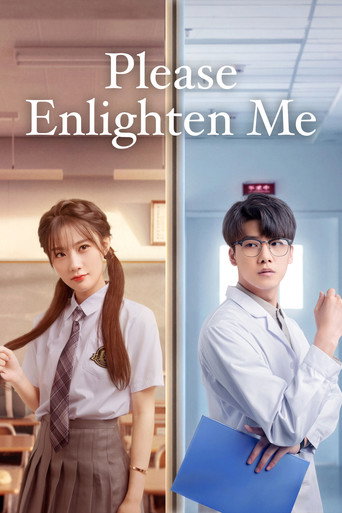
Popular music has its films too. Radio Star, C'est Si Bon and Sunset in My Hometown cover Korean rock, folk and rap across fifty years. Suck Seed and Seasons Change are set among Thai students with guitars and violins, Transistor Love Story among the singers of Thai country music, and Once Upon a Star among the voice artists of travelling cinema. Films about film-making include One Second and Electric Shadows, both hymns to the open-air screenings of the Chinese countryside, Lucky Chan-sil, and Too Cool to Kill. Please Enlighten Me is a short romance between a music student and a young doctor.
History on screen
Thirty-four films are set in earlier times, and together they make an informal course in the history of the region. Korea's Joseon dynasty, which lasted five centuries, is the setting of The King's Letters, Forbidden Dream, The Map Against the World and The Sound of a Flower; the years of colonial rule that followed appear in Dongju: The Portrait of a Poet and Race to Freedom: Um Bok-dong, and the early years of the republic in Road to Boston. China's twentieth century is seen from the village in Hibiscus Town, from the city courtyard in The Blue Kite, from the schoolroom in King of the Children and from the gymnasium in We'll Meet in Heaven. These films were made by people who lived through the period, and they speak of it with feeling and with restraint.
Hong Kong's past is treated more playfully. Project A - Part II and Once Upon a Time in China II turn the last years of the Qing empire into adventure, and Fantasia pays affectionate tribute to the comedies the city loved in the seventies. Taiwan's story is told through one father in A Borrowed Life and one mother in Kuei-mei, a Woman. Thailand looks back to the forties in The Tin Mine and to the age of kings in Love Destiny: The Movie, a romantic comedy in costume that continues a hugely popular television series, and Indonesia remembers a pioneer in Kartini: Princess of Java.
Fantasy and adventure
Sixteen films are fantasies, most of them comic. The ghost who needs a favour is a favourite device, used with charm in Hello Ghost and Lucky Chan-sil. The gift that proves awkward appears in Slow Video, about a man who sees the world at a fraction of its speed and finds work watching security cameras, and in May Who?. Time bends in Will You Be There and Back to the 90s. Sori: Voice from the Heart is a touching piece of science fiction in which a satellite that has recorded every telephone call on earth falls into the sea and helps a father look for his daughter. For younger viewers there are the friendly monsters of Monster Hunt 2, the talking animals of Mr. Zoo: The Missing VIP, the heroes of Legend of Gatotkaca and the dogs of Mid Road Gang, and Citizen Dog and The Sun Also Rises offer dreamlike tales for adults.
Directors and actors to follow
A few names return across the lists and make good threads to follow. Zhang Yimou has five films here and Ann Hui three, The Way We Are, The Golden Era and a chapter of Septet: The Story of Hong Kong. The Korean director Lee Joon-ik made Radio Star, Dongju: The Portrait of a Poet and Sunset in My Hometown, three films about people out of step with their time. Hur Jin-ho made Christmas in August in 1998 and Forbidden Dream twenty-one years later, with the same leading actor, Han Suk-kyu. In Thailand, Nithiwat Tharatorn directed Seasons Change and The Teacher's Diary, and Nawapol Thamrongrattanarit three sharply observed comedies of young adult life. In Indonesia, Ernest Prakasa writes, directs and appears in his own films.
Among the actors, Song Kang-ho, known the world over, is a king in The King's Letters and a volleyball coach in One Win. Ha Ji-won leads As One, 100 Days with Mr. Arrogant, Miracle on 1st Street and BA:BO - Miracle of Giving Fool. Cha Tae-hyun, Korea's most likeable comic actor, stars in Hello Ghost and Slow Video, and Na Moon-hee, in her seventies and eighties, in I Can Speak and A Little Princess. Gong Li and Ge You represent China, Leslie Cheung, Maggie Cheung and Tony Leung Hong Kong, Sunny Suwanmethanon the Thai romantic comedy, and Dian Sastrowardoyo and Reza Rahadian the cinema of Indonesia.
Languages, subtitles and a note on choosing
The films are spoken in Korean, Mandarin, Cantonese, Thai, Indonesian, Filipino, Malay and Vietnamese, and a few move between languages as their characters travel. Services that carry them abroad generally offer English subtitles from the language menu of the player, and many of the recent releases have English soundtracks as well. Film pages give the original title beside the English one, which helps when a service lists a film under its original name. Names are given as each country gives them: the family name comes first in Korea, China and Vietnam, so that Zhang Yimou's family name is Zhang and Song Kang-ho's is Song.
Most of the catalogue can be watched by all ages together. The Hong Kong action comedies contain a good deal of staged fighting, always acrobatic and played for laughs. A number of dramas deal with illness, bereavement or the hardships of history and are better suited to teenagers and adults; they are named as such above and include Aftershock, Birthday, Dongju: The Portrait of a Poet, Dying to Survive and Magnifico. Customs of courtesy, of family duty and of courtship differ from one country to the next, and noticing them is part of the pleasure.
Search, lists and My List
The search field in the top bar answers as you type. The menu leads straight to the lists for Korea, China, Hong Kong and Thailand, and the finding titles page describes all twenty-two lists and the A to Z. To keep a film for later, press Add to My List on its page; the green My List button opens your saved films, which are stored by the browser on your own device, and the My List page explains how to save the list to a file.
Six evenings across Asia
For a first fortnight, try six evenings and six countries. Begin in Korea with Sunny. Go on to China with The Road Home or, for a livelier night, Dying to Survive. Spend the third evening in Hong Kong with Project A - Part II and the fourth in Thailand with The Teacher's Diary or My Girl. On the fifth, visit Indonesia with Check the Store Next Door, and on the sixth Taiwan with Tropical Fish or Malaysia with Mukhsin. After that the lists will guide you, country by country and year by year.
Questions and answers
Questions
What is Cinex?
Cinex is a guide to 187 Asian films from 1985 to 2026, each with its story, cast and a Watch now button to the official services that carry it.
Which film should I watch first?
Start with Sunny, The Road Home or The Teacher's Diary. They introduce the Korean comedy-drama, the Chinese love story and the Thai romance.
Is the catalogue suitable for families?
Yes. Every summary was read by hand, and gangster films, horror and adult dramas were left out. Hong Kong kung fu comedies contain staged fighting, and a few dramas about illness or loss are marked for older viewers.
Which countries do the films come from?
Korea, mainland China, Thailand, Hong Kong, Indonesia, Taiwan, the Philippines, Malaysia and Vietnam.
Are the films subtitled?
They are spoken in their original languages, and most services offer English subtitles from the language menu on the player.
Are there films for children?
Yes. My Girl, Mukhsin, Mid Road Gang, Monster Hunt 2 and Panda Plan: The Magical Tribe suit younger viewers, and Project A Part II suits children of ten and over.
How does My List work?
Press Add to My List on any film page. The list is kept by the browser on this device, and the list page can write it to a file.
Does Cinex host films or downloads?
Cinex is a guide only. Every Watch now button opens JustWatch, which lists the official streaming, rental and purchase services for your country.